Digital marketing trends for 2026 are shaped by AI, video, and Demand Gen campaigns that influence users before they even search.
Digital marketing no longer begins with search. It now starts with content discovery.
What Are Digital Marketing Trends in 2026?
Digital marketing trends in 2026 mark a shift from a “search-first” to a “discovery-first” model.
They include AI-driven search, video-first strategies, and Demand Gen campaigns that create demand before users actively search.
Why It’s Important to Follow Digital Marketing Trends in 2026
Keeping up with digital marketing trends helps brands adapt to changing user behavior and stay competitive.
Without adapting:
- You miss the early stage of user interest
- Competitors engage users sooner
- Search loses its role as the primary channel
In 2026, users make decisions before they even search – they discover content across multiple platforms first.
If campaigns don’t follow these trends, they won’t capture existing demand, while competitors influence users during the research and decision-making phase.
Key Trends from Admixer Digital Breakfast in Zagreb
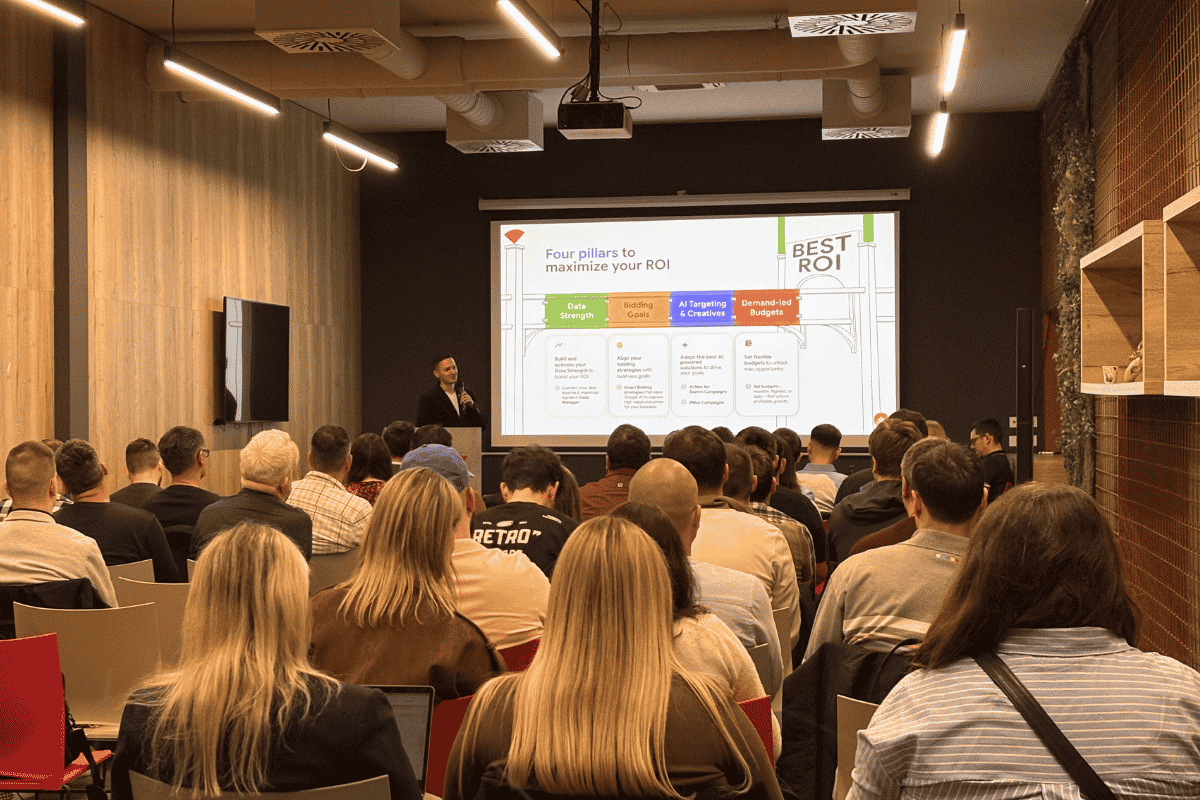
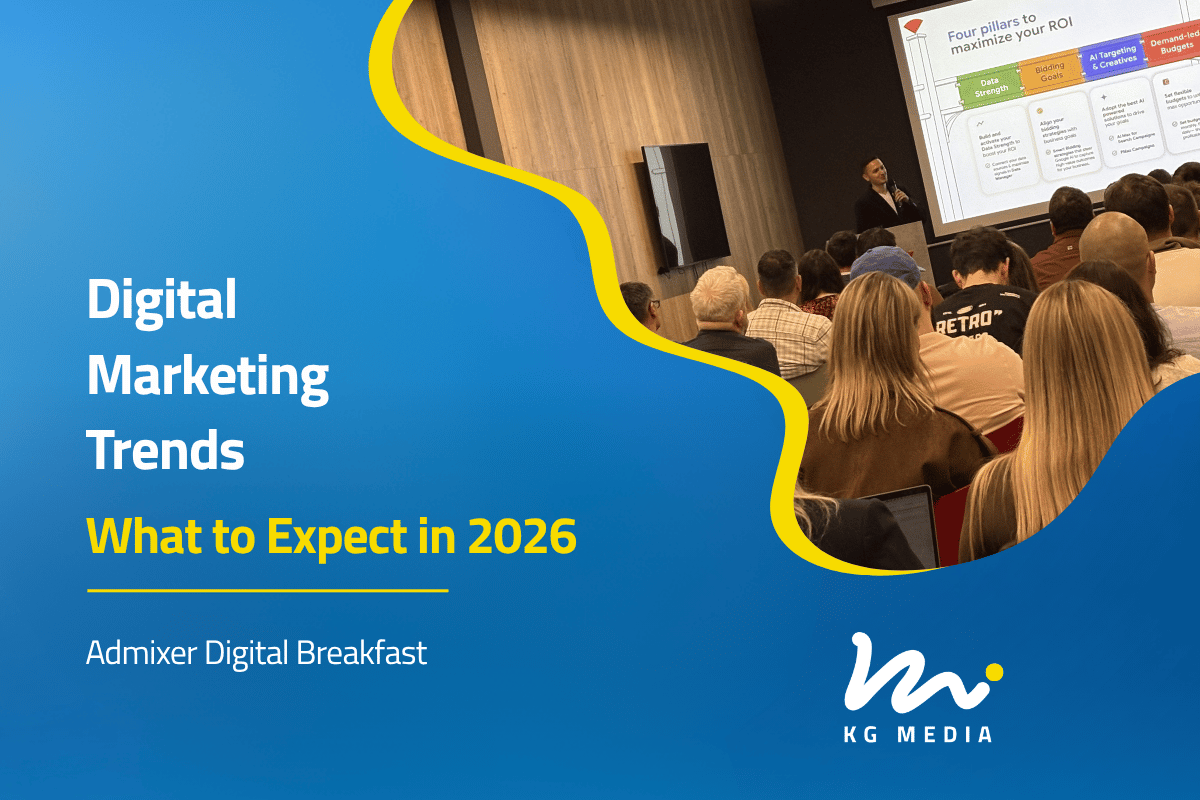
Key insights from Admixer Digital Breakfast in Zagreb confirm that users make decisions before searching.
Industry experts highlighted major shifts shaping digital marketing in 2026, with a focus on:
- AI applications in marketing
- Changing user behavior
- The importance of video and Demand Gen campaigns
KG Media attended the event and applies these insights to strategies that deliver measurable results.
These trends reinforce the move toward a model where users discover content before searching.
How User Behavior Is Changing
Today, users discover content before searching, which means brands need to show up earlier in the customer journey.
This means:
- Search is no longer the first touchpoint
- Decisions are made across multiple channels
- Brands must be present earlier in the journey
For example, in tourism, users often discover destinations through videos and recommendations before searching for accommodation.
Google integrates Search, YouTube, and Discover into a unified system where users explore, compare, and decide.
Search is no longer the primary growth channel, but the final stage of the user journey where decisions are confirmed.
How YouTube Drives Conversions
YouTube drives conversions by helping users make decisions before searching.
It combines four key user behaviors:
- Search
- Shopping
- Streaming
- Scrolling
In Croatia, it reaches around 78% of the population, making it one of the most important digital channels.
YouTube is no longer just a platform for building visibility; it’s a channel that directly influences purchase decisions and conversions.
Therefore, YouTube becomes a key channel that connects content discovery and conversions within the same user journey.
Why Video Marketing Increases Conversions
Video marketing increases conversions by helping users understand products before making a decision.
In eCommerce, this means users get to know a product through video content before searching, which increases the likelihood of conversion.
Combining brand and performance video activities increases unique reach and contributes to conversion growth. As a result, video becomes a key part of the strategy that complements search and influences decision-making.
How video impacts results:
- Helps users understand the product
- Reduces uncertainty before purchase
- Speeds up decision-making
Google states that campaigns using video formats see higher engagement and increased conversion growth compared to campaigns without video content.
Video marketing increases conversions by enabling users to make decisions before they even search.
What Are Demand Gen Campaigns and How Do They Work?
Demand Gen campaigns are Google Ads campaigns designed to create demand before users start searching.
Unlike campaigns that capture existing demand, Demand Gen works through:
- Video content
- Visual formats
- Feed-based recommendations
They guide users into the decision-making process and move them closer to search and conversion.
How Demand Gen Works
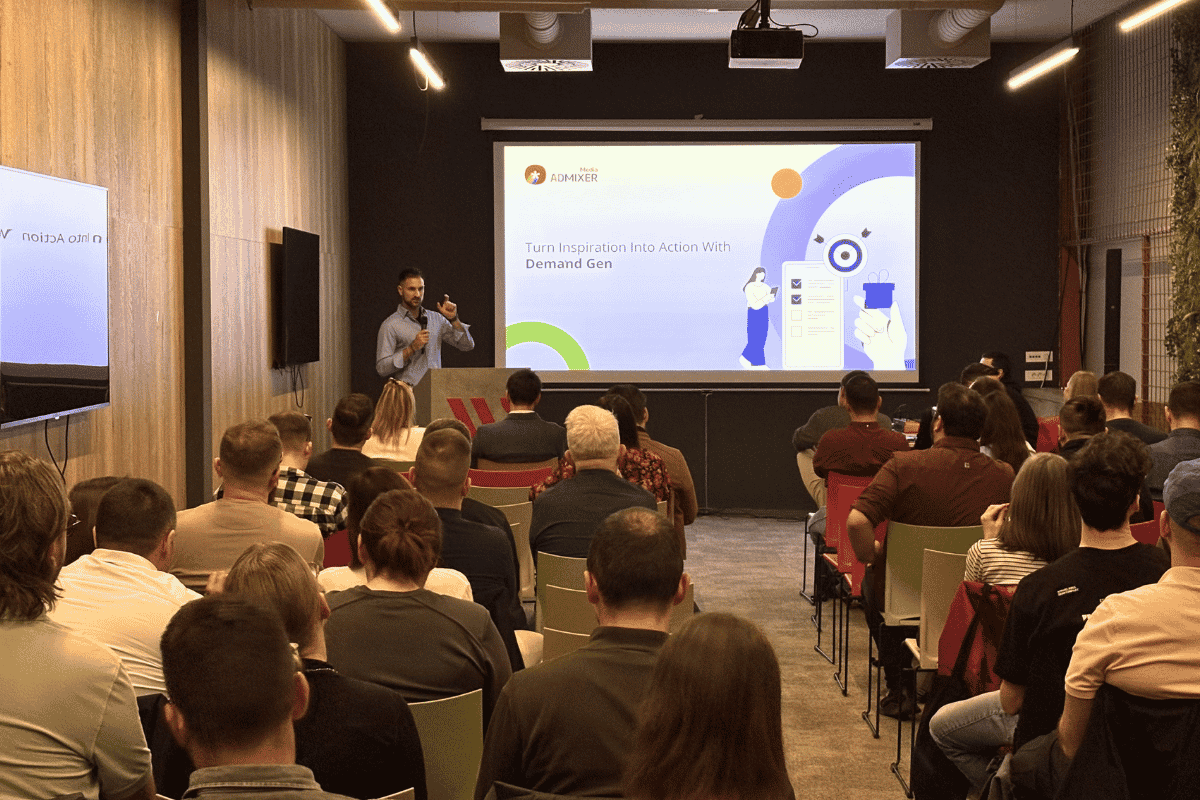
Demand Gen uses existing data and content to generate interest before search, with continuous testing and scalable reach.
Creative approach:
- Repurpose existing content
- Continuously test creatives
- Use vertical formats
On the targeting side, campaigns start from existing data and signals, which are then expanded through optimized models. This increases reach without sacrificing relevance.
Steps in Demand Gen Campaigns
- Analysis of existing data and signals
Campaigns start from first-party data and user behavior.
- Adapting content into visual formats
Existing content is transformed into video and visual ads.
- Continuous creative testing
Different messages, formats, and visuals are tested.
- Expanding reach through signal-based targeting
AI identifies new users similar to existing audiences.
- Optimization based on user behavior
Campaigns are adjusted according to engagement and conversions.
Why Demand Gen Matters in 2026
Demand Gen is essential because users no longer start the buying process with search, but earlier – during the content discovery phase.
In 2026, interest is formed before clear intent, and decisions are shaped across multiple channels and formats.
Google highlights that Demand Gen campaigns enable brands to reach users before the search phase, increasing overall conversion potential.
While traditional campaigns capture existing demand, Demand Gen creates new demand and expands reach to relevant audiences.
It allows brands to influence users before they form a clear purchase intent.
How AI Is Transforming Digital Marketing in 2026
AI is transforming digital marketing through automation, precise targeting, and real-time response generation.
Key changes driven by AI:
- Automation of advertising through AI models (bidding, optimization)
- Targeting based on user signals and behavior
- Direct answer generation within search results without the need for clicks
- Growth of complex and conversational queries (5+ words)
AI marketing enables users to access relevant information faster, often without additional searches or opening multiple pages.
Users no longer search for broad terms but instead ask specific questions that AI systems directly interpret to deliver relevant solutions.
According to Google research, queries with five or more words are growing faster than shorter ones, confirming the shift toward more detailed search behavior.
In practice, this means users no longer search for “hotel Zadar,” but rather “hotel in Zadar with a pool near the beach.”
Content needs to answer specific questions, not just target keywords.
AI-driven systems are becoming essential for real-time ad automation and optimization.
Search + Performance Max Combination
Combining Google Search and Performance Max improves advertising performance across the Google ecosystem.
In 2026, artificial intelligence is no longer an add-on – it has become essential for achieving strong results. Google uses AI to deliver faster and more accurate answers, directly influencing advertising strategies and brand visibility.
Video assets play an important role in the performance of Performance Max campaigns. Advertisers who use at least one video see more conversions, with a recommendation to include at least three videos.
For better results:
- Use at least one video
- Ideally have three variations
- Combine search and discovery channels
FIFA World Cup 2026: What It Means for Advertising
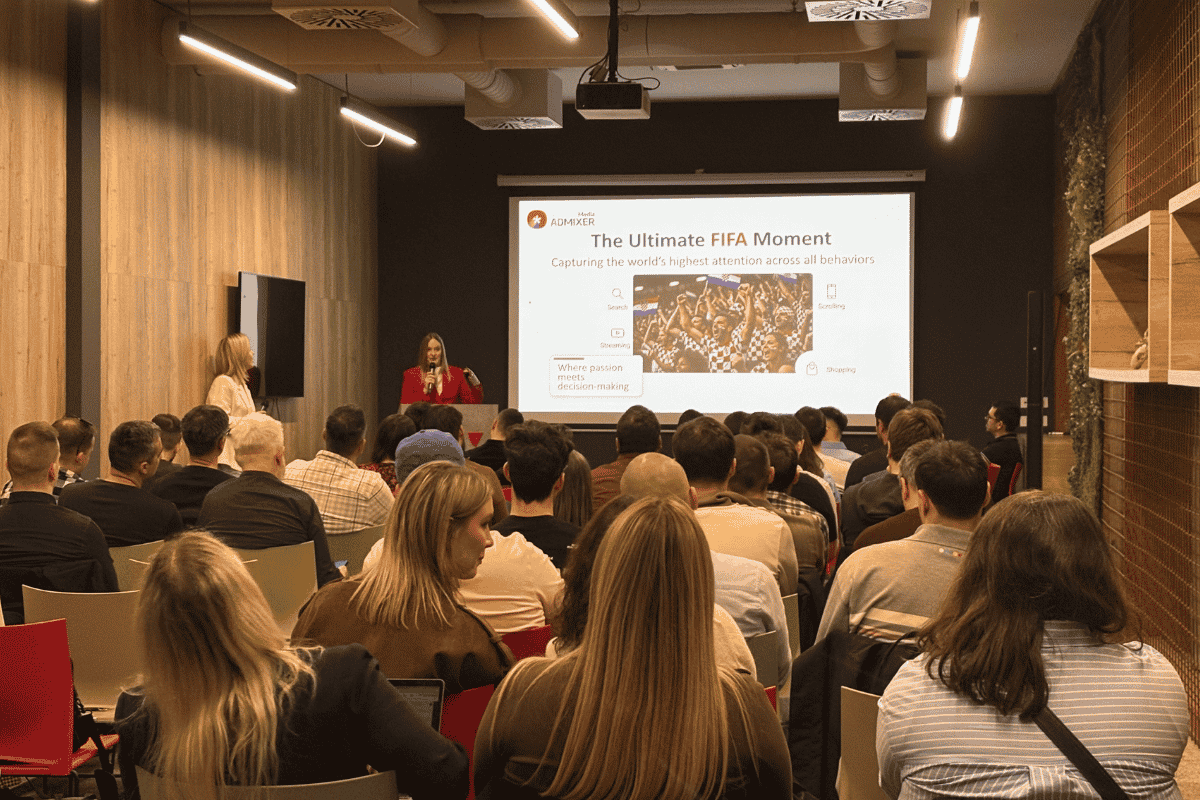
The FIFA World Cup 2026 requires early campaign planning, as the biggest results come before the event begins – along with increased competition and rising ad costs.
The event has a strong impact across almost all industries due to high audience attention in behaviors such as search, streaming, scrolling, and shopping.
How to plan campaigns:
- Launch campaigns at least 3 weeks in advance
- Prepare video and visual assets ahead of time
- Plan for a higher budget (CPC/CPM increase)
Due to increased competition, CPC and CPM are expected to rise, which requires proactive planning across all segments. Creative should be adapted to the context and user interest, with a recommendation to launch campaigns at least three weeks before the event begins.
That’s why it’s essential to prepare campaigns in advance with strong visuals, video content, and flexible budget management.
Key Digital Marketing Trends in 2026
- AI-driven search
- Video-first strategy
- Demand Gen campaigns
- Multi-channel funnel
- Early user influence
What This Means for Brands
Users now discover content before searching, meaning campaigns must start before intent forms.
This includes video formats, AI-driven marketing, and a presence across multiple channels within the same ecosystem.
Brands that appear at this stage enter the user’s consideration set during the research phase.
When planning campaigns in 2026, the focus should be on launching activities earlier and keeping up with digital marketing trends.
Looking for a strategy that aligns with 2026 digital marketing trends and delivers real results? Get in touch with the KG Media team.
FAQ
How does AI change digital marketing?
AI is transforming digital marketing through more precise targeting and real-time ad personalization based on user intent.
How does YouTube impact conversions?
YouTube influences conversions by enabling users to compare options and make decisions before purchase, rather than serving only for visibility.
How to use video in Performance Max campaigns?
Video in Performance Max campaigns increases reach across YouTube, Display, and Discover. Multiple variations enable testing and often drive more conversions.
What is the difference between Demand Gen and search campaigns?
Demand Gen campaigns create interest before search, while search campaigns target users with existing intent. The difference lies in the stage of the user journey where campaigns are activated.
What are Demand Gen campaigns?
Demand Gen campaigns are a type of campaign in Google Ads that generate interest and demand before users begin actively searching.