Optimizing existing content is an SEO process that involves updating, expanding, and improving existing pages so they can rank higher, attract more organic traffic, and gain greater visibility in AI search results.
More organic traffic does not always come from publishing new blog posts. Often, the biggest growth opportunity is already on your website – you just need to identify it, refresh it, and align it more closely with search intent.
Many companies focus most of their resources on creating new content, even though older blog posts, service pages, and guides may already have impressions, rankings, and URL history in Google Search.
This does not mean new content is unimportant. The strongest SEO results usually come from combining new topics with regular optimization of content that already exists.
Why Is Existing Content So Valuable for SEO?
Existing content often holds the greatest SEO opportunity because it already has data, indexation, URL history, and signals that show how users find the page.
If a blog post already earns impressions but has a low CTR, the problem may not be the topic. It may be the title, meta description, or an answer that is not clear enough.
If a page sits on the second or third page of Google results, small content and technical improvements may move it closer to the user.
Benefits of Optimizing Existing Content
Optimizing existing content is cost-effective because you are not starting from scratch.
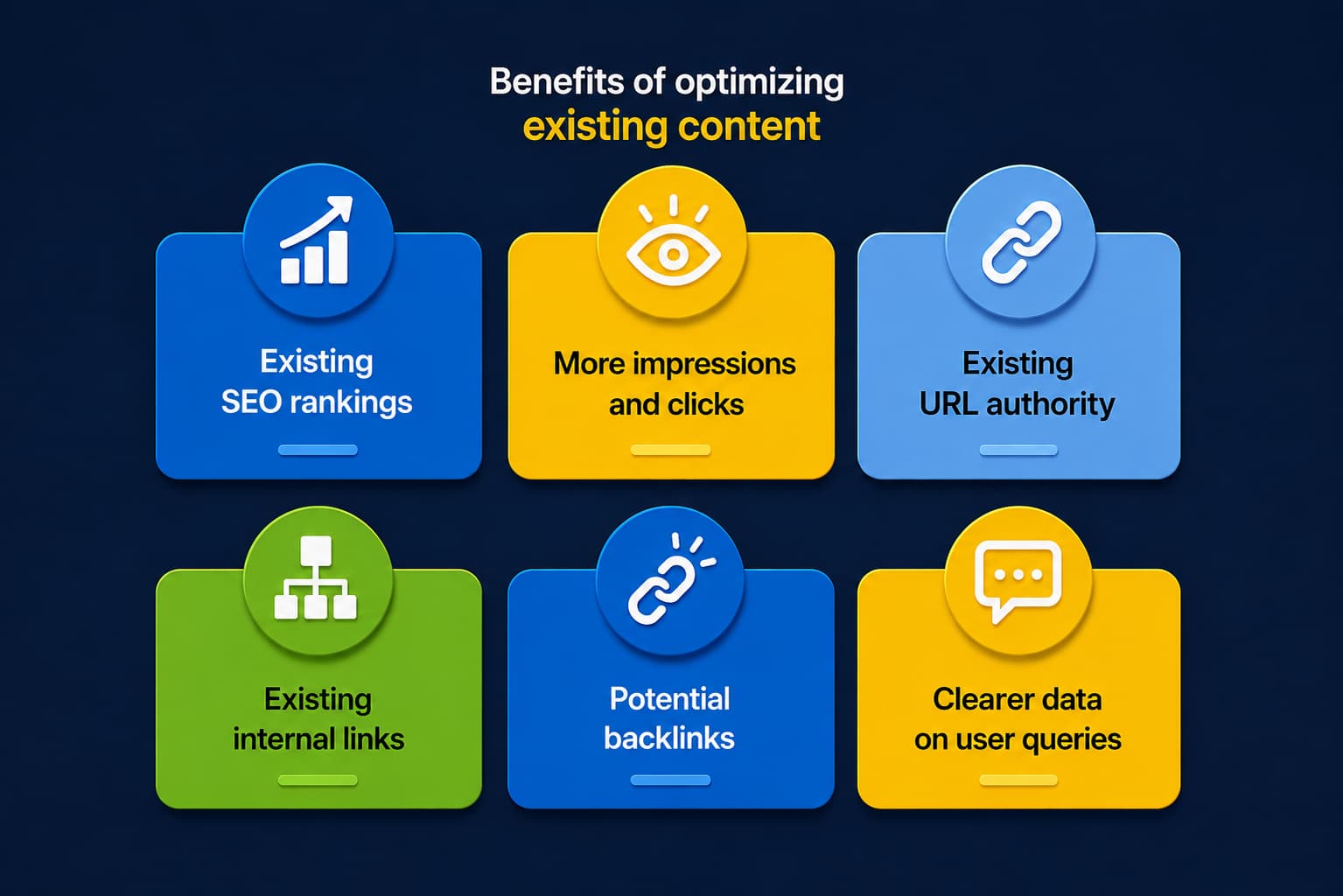
Common benefits include:
- Existing SEO rankings
- Impressions and clicks already earned
- Established URL history
- Existing internal links
- Potential backlinks
- Clearer data on user queries
Google recommends creating helpful, reliable content written for people rather than search engines alone. That is why a content refresh should be more than a cosmetic update; it should deliver a genuine improvement in user value.
What Is a Content Refresh and How Does It Work?
A content refresh improves existing content without creating an entirely new page.
In practice, this means you do not delete or replace the existing blog post. You first analyze its performance, then update outdated information, improve the structure, and add the answers users are actually looking for.
What Does a Content Refresh Include?
A high-quality content refresh usually includes:
- Updating inaccurate or outdated information
- Expanding topics that were covered too briefly
- Optimizing keywords based on real search queries
- Adapting the content for GEO and AEO
- Improving readability on mobile devices
Before you optimize, you need to understand what the page is already achieving so you can decide whether to expand it, restructure it, or connect it with a new topic.
Which Pages Benefit Most from a Content Refresh?
Content refreshes are most often used for blog posts, service pages, guides, and landing pages that cover a relevant topic but need a clearer, more up-to-date, or more complete answer.
How Do You Find the Pages with the Most Potential?
The best growth opportunities can be identified by analyzing Google Search Console data to see where content is already appearing in search results but is not yet earning enough clicks.
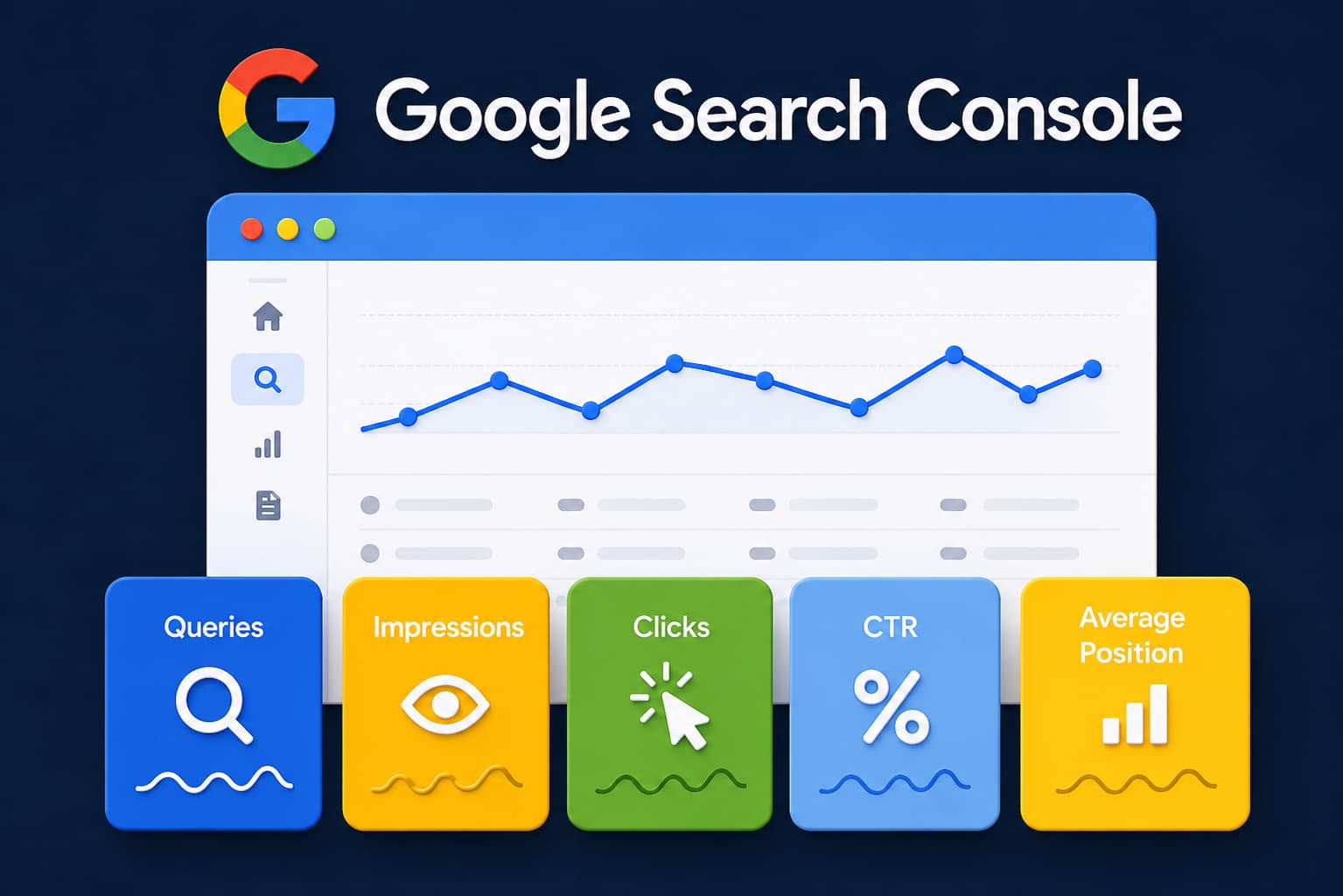
Google Search Console shows queries, impressions, clicks, CTR, and average position, helping you determine which pages deserve a closer look.
What Should You Check in Google Search Console?
In Google Search Console, analyze:
- Pages with many impressions and a low CTR
- Queries where the URL is close to page one
- Blog posts that have lost traffic
- Topics attracting new user questions
- Pages where the title tag does not match search intent
For example, a blog post about SEO content optimization may be receiving impressions for the query “How to Optimize Existing Blog Posts for SEO.” If the article does not answer that question clearly, it is a specific opportunity for a content refresh.
In practice, the post does not need to be rewritten from scratch. It can be improved with a clearer answer, up-to-date information, and relevant internal links.
If you are unsure where to begin, an SEO audit of your existing content can help identify which URLs to refresh first.
Which Optimizations Are Most Likely to Increase Traffic?
Traffic growth usually comes from improvements that make search results more clickable, strengthen content structure, keep information current, and improve internal linking.
The first changes are usually the ones that help users understand the topic faster and find the relevant answer more easily.
Common SEO Improvements
The most useful optimizations include:
- A clearer meta title
- A more compelling meta description
- A clearer H1, H2, and H3 structure
- Adding FAQ sections
- Removing outdated claims
- Adding internal links
- Optimizing images and alt text
Before optimization, a title may be generic, such as “SEO Tips for Blogs.” After optimization, it can match search intent more clearly, for example, “How to Optimize Existing Blog Posts for SEO”, without resorting to clickbait.
The best optimizations are not necessarily the biggest changes. They are the changes that align content more closely with the user’s query and expectations in the search results.
Why Do FAQ and AEO Improve Visibility?
FAQ sections increase the AEO value of content because they give users an immediate, concise, self-contained answer to a specific question.
AEO structures content around clear, direct answers for featured snippets, voice search, and AI Overviews.
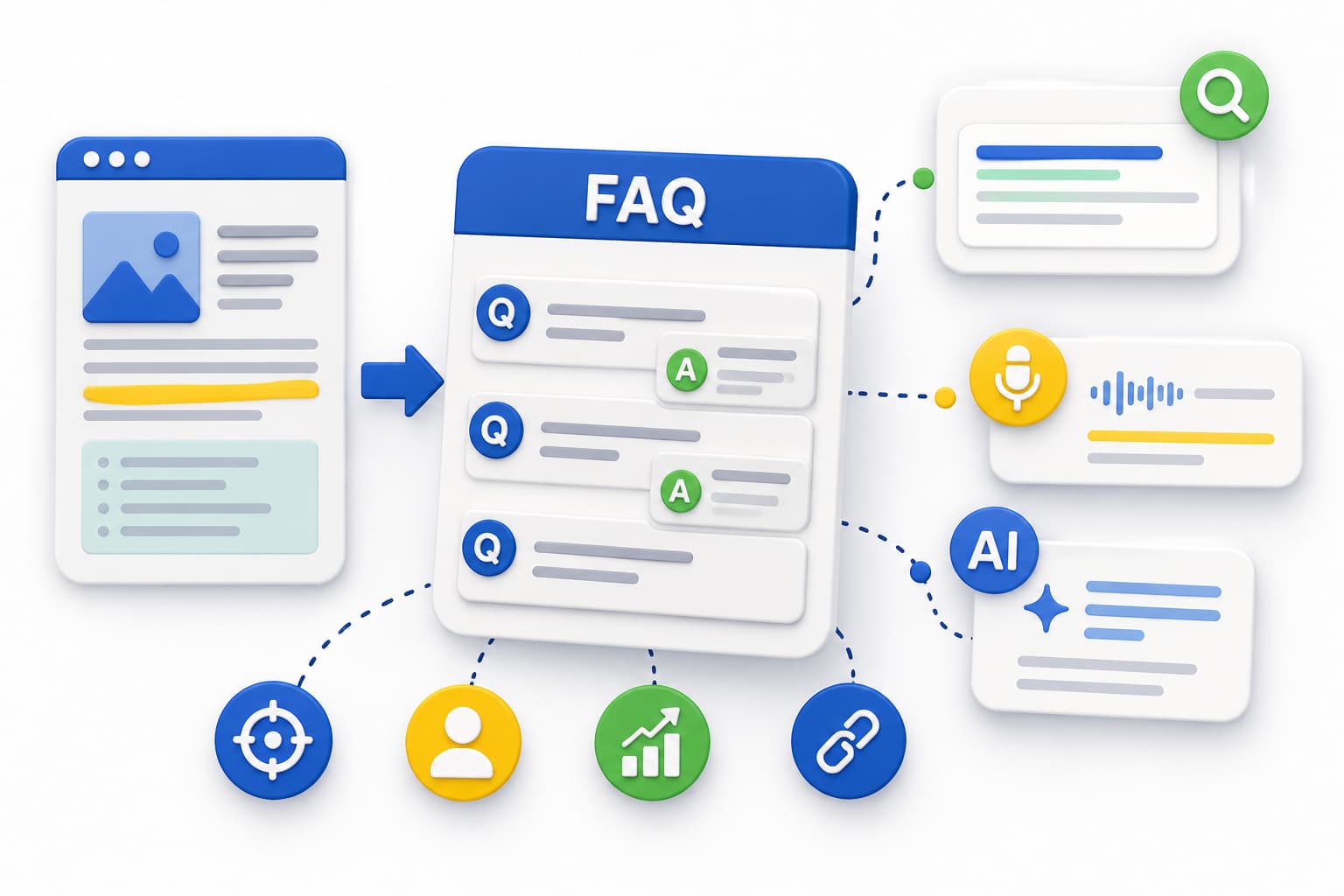
A strong FAQ does not simply repeat the article. It summarizes the key questions, answers them briefly, and guides the user toward more in-depth content.
How Do You Optimize Content for AI Search Results?
Content is optimized for AI results by structuring the topic, answers, and key entities clearly so they are easy to understand even outside the context of the full article.
Google says AI features in Search rely on helpful web sources and links that allow users to explore further. Content should therefore be clear, verifiable, well structured, and closely aligned with the topic.
GEO Elements Worth Adding
To make content easier for AI systems to cite, add clear GEO elements such as:
- Concise definitions
- Answer-first sentences
- Structured lists
- Precise H2 and H3 headings
- Contextual entities
- Citable paragraphs
- FAQ answers
- Clear internal links
GEO optimization helps systems such as ChatGPT understand what a page explains, who it helps, and why it is relevant.
Before making major changes, check whether the existing text can clearly answer user questions, support SEO goals, and be understood by AI systems.
Why Are Internal Links Often Undervalued?
Internal links help users and search engines understand how pages relate to one another.
When an article about content refresh strategy naturally links to a page about SEO optimization, the user gets a logical next step. Linking the topic to a guide on AI SEO optimization or an article explaining how to optimize a website for AI search also strengthens topical context.
Google’s linking guidelines emphasize descriptive anchor text and links that give users useful context.
When Is It Better to Optimize Existing Content Than Create Something New?
A page is worth optimizing when the data shows that users are interested in the topic, but the content does not yet satisfy their search intent well enough.
This usually applies to blog posts that rank for relevant queries but lack a clear answer, up-to-date information, or a well-organized structure.
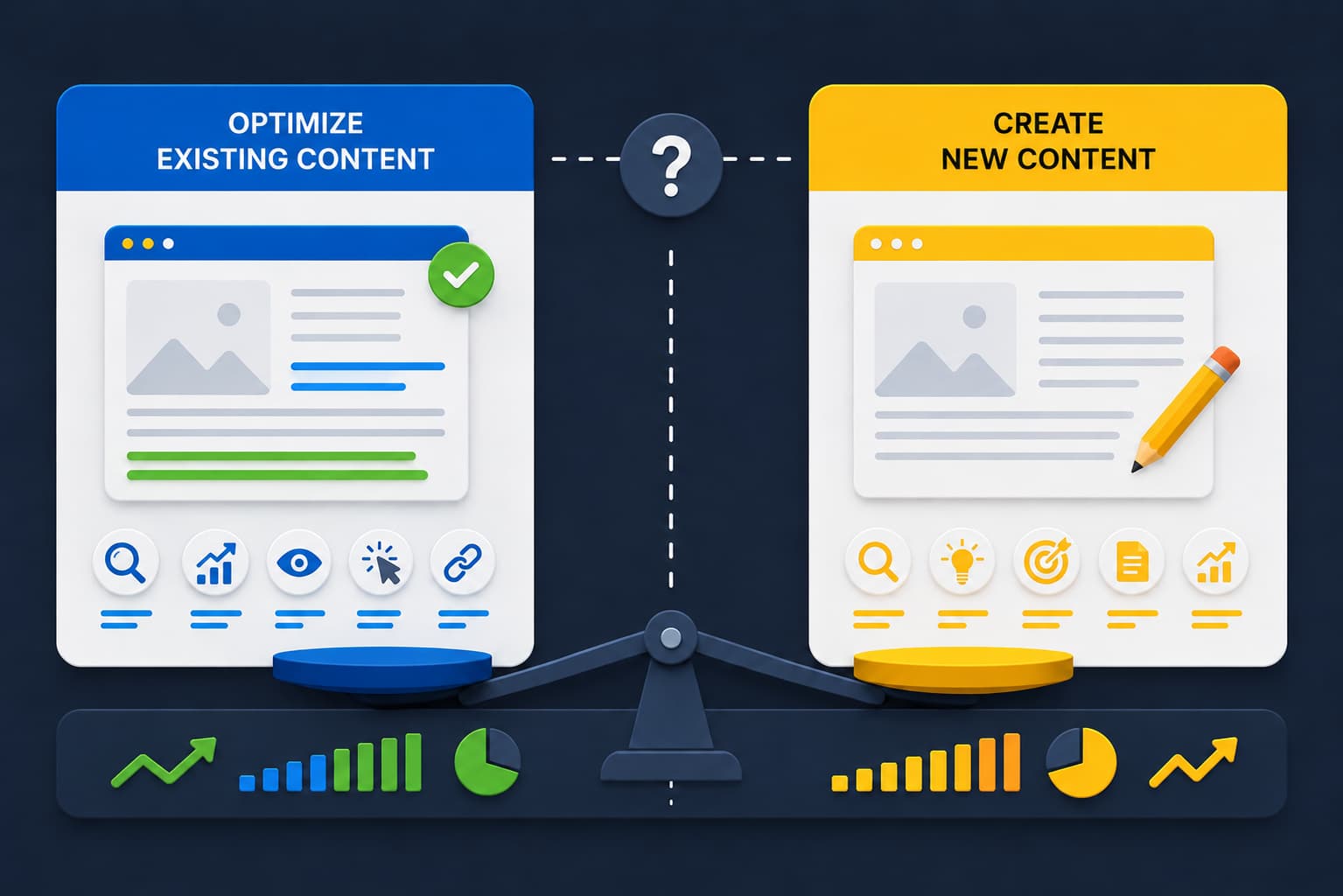
The best SEO strategy does not choose one or the other. It determines when to create something new and when to refresh what already exists.
When Is a Content Refresh Not Enough?
A content refresh is not enough when a page targets the wrong search intent, covers an irrelevant topic, or cannot naturally answer what users are looking for.
In those cases, it is better to create new content, merge similar pages, or rethink the topic structure.
How Can SGA Optimization Deliver Even Better Results?
SGA optimization improves performance by connecting visibility in Google Search with GEO-ready content that AI systems can cite and AEO-focused answers to specific user questions.
Why Choose an SEO, GEO, and AEO Audit of Existing Content?
An SEO, GEO, and AEO audit of existing content helps identify the pages with the greatest potential for organic growth, better structure, and stronger AI citability.
KG Media bases this analysis on Google Search Console data, search intent, internal linking, and the clarity of each answer. The goal is to prioritize the pages with the highest business and SEO value.
Conclusion
Regular content reviews help a website retain its value for topics that already attract user interest.
Want to know which pages you should optimize first? KG Media uses SEO, GEO, and AEO analysis to identify the content with the greatest growth potential.
FAQ
How Can You Increase Organic Traffic Without Creating New Content?
You can increase organic traffic by updating existing pages, improving metadata, strengthening internal links, adding FAQ answers, and aligning the content with search intent.
How Do You Optimize Existing Blog Posts for SEO?
Optimize existing blog posts based on real queries from Google Search Console, a clearer heading structure, and up-to-date information.
What Is a Content Refresh Strategy?
A content refresh strategy is a planned process of updating existing pages so the content remains accurate, useful, and competitive in Google Search.
How Do You Update Old Content?
Update old content by checking the accuracy of the information, adding new answers, improving the structure, and removing sections that are no longer useful.
How Can You Improve Existing SEO Rankings?
Improve existing SEO rankings by aligning content with search intent, strengthening internal links, and optimizing elements that influence CTR.
Is It Better to Create New Content or Optimize Existing Content?
The best results usually come from combining new content with the optimization of pages that already have visibility in Google Search.