Quick Overview
- What Are the Benefits of UGC in Advertising?
- UGC, Influencer Content and Traditional Ads: What’s the Difference?
- Why Do Consumers Trust UGC?
- How Is UGC Used in Meta Ads Campaigns?
- Which UGC Format Should You Choose for a Meta Ads Campaign?
- TikTok and UGC – Why This Combination Works?
- What Do TikTok Users Expect?
- Mini Case Study: How Visit Abu Dhabi Used Existing UGC
- How Does GoPro Use UGC to Build Community?
- What Can Companies Learn from GoPro’s UGC Strategy?
- How Does Airbnb Use Guest Content to Build Trust?
- What Can Companies Learn from Airbnb’s Campaign?
- How Does Coca-Cola Involve Consumers in UGC Campaigns?
- What Do Successful UGC Campaigns Have in Common?
- What Should You Define Before Launching a UGC Campaign?
- How Can Companies Start Using UGC?
- How Can You Collect Your First Pieces of UGC?
- When Should You Choose a UGC Ad, and When Is UGC Not Enough on Its Own?
- Conclusion
- FAQ
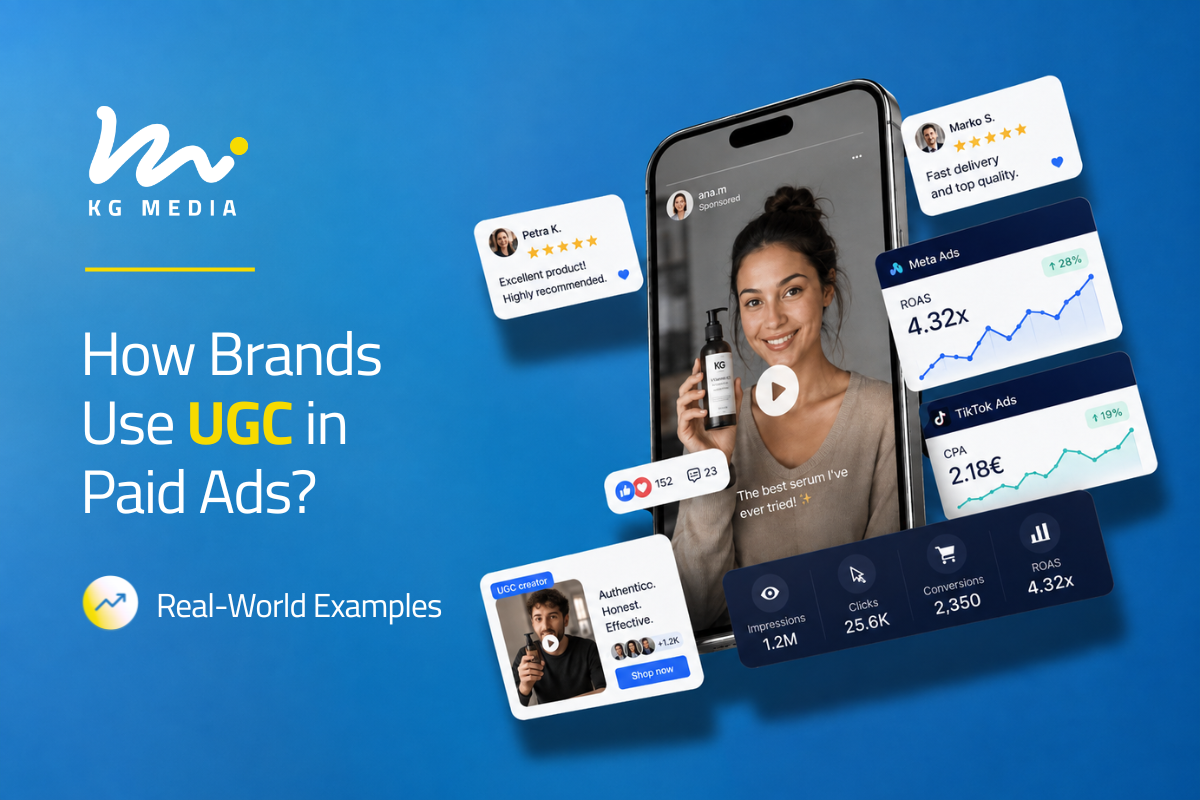
Brands use UGC in paid ads through reviews, video testimonials, demonstrations and customer recommendations. In digital marketing, these formats provide social proof and bring ads closer to the customer’s real-life experience.
UGC (User-Generated Content) refers to content created by users, customers or members of a brand community, and is used to increase authenticity, trust and the effectiveness of marketing campaigns.
What Are the Benefits of UGC in Advertising?
The main benefits of UGC in advertising are a more credible portrayal of the product, clearer context for how it is used, and an easier way to evaluate the offer.
Content from the user’s perspective shows what problems the product solves and what buyers can expect before they make a purchase.
UGC, Influencer Content and Traditional Ads: What’s the Difference?
UGC shows the user’s perspective and can be used as ad creative. Influencer content draws on a person’s reach and authority, while traditional advertising gives the brand the greatest control over the message and production.
A UGC creator does not have to publish the video on their own profile, but usage rights for paid advertising must be agreed in advance.
Why Do Consumers Trust UGC?
Consumers find it easier to make a decision when they see first-hand experience, a concrete product demonstration and a real-world use case.
A video does not become convincing simply because it was shot on a phone. It needs to show a relevant use case and answer the buyer’s questions.
How Is UGC Used in Meta Ads Campaigns?
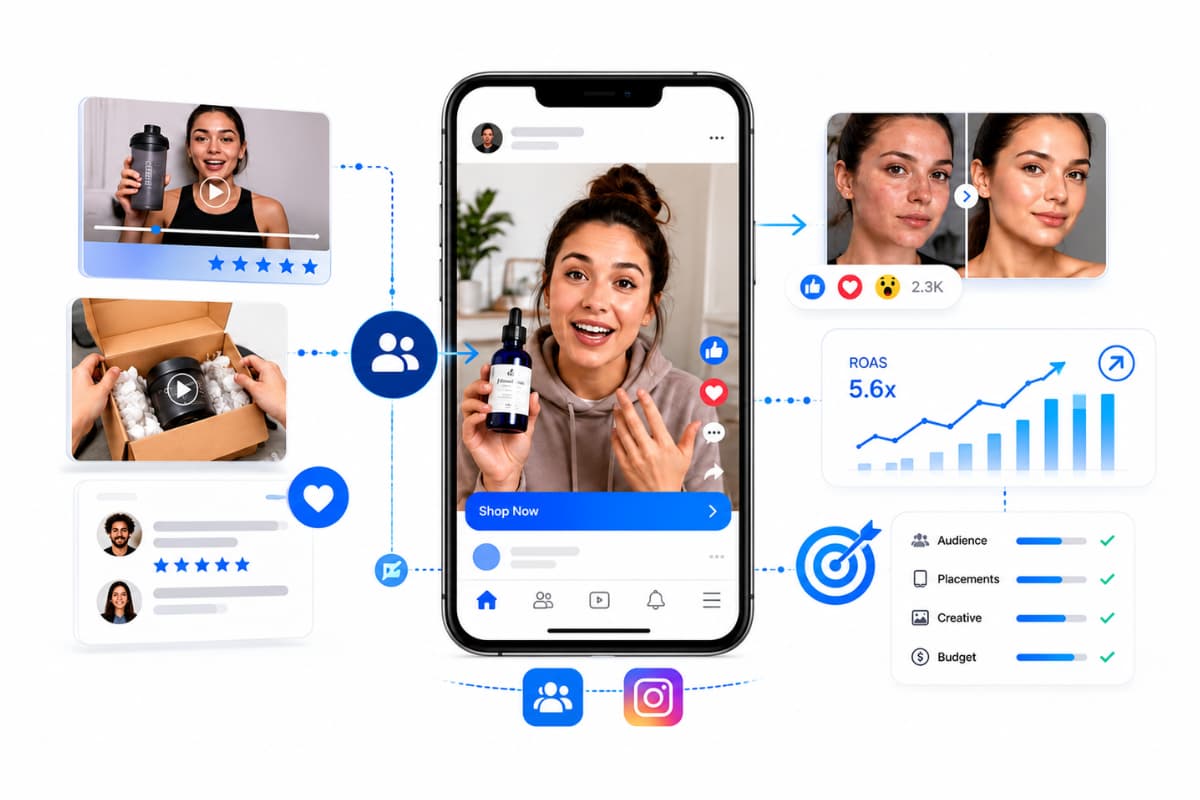
A UGC ad is a paid ad that uses user or creator-generated content as its main creative. In Meta Ads campaigns, these ads run on Facebook and Instagram to blend more naturally into the feed and quickly communicate the value of the offer.
Which UGC Format Should You Choose for a Meta Ads Campaign?
Choose the UGC format based on the campaign objective: video reviews to build trust, demonstrations and unboxings to explain the product, and before-and-after content to show a visible change.
Instagram Creator Marketplace makes it easier to find and evaluate creators, while partnership ads allow brands to promote content in collaboration with creators.
Practical insight: Do not automatically use the same UGC video across Feed, Reels and Stories. The opening, framing, length and call to action should be adapted to each placement.
TikTok and UGC – Why This Combination Works?
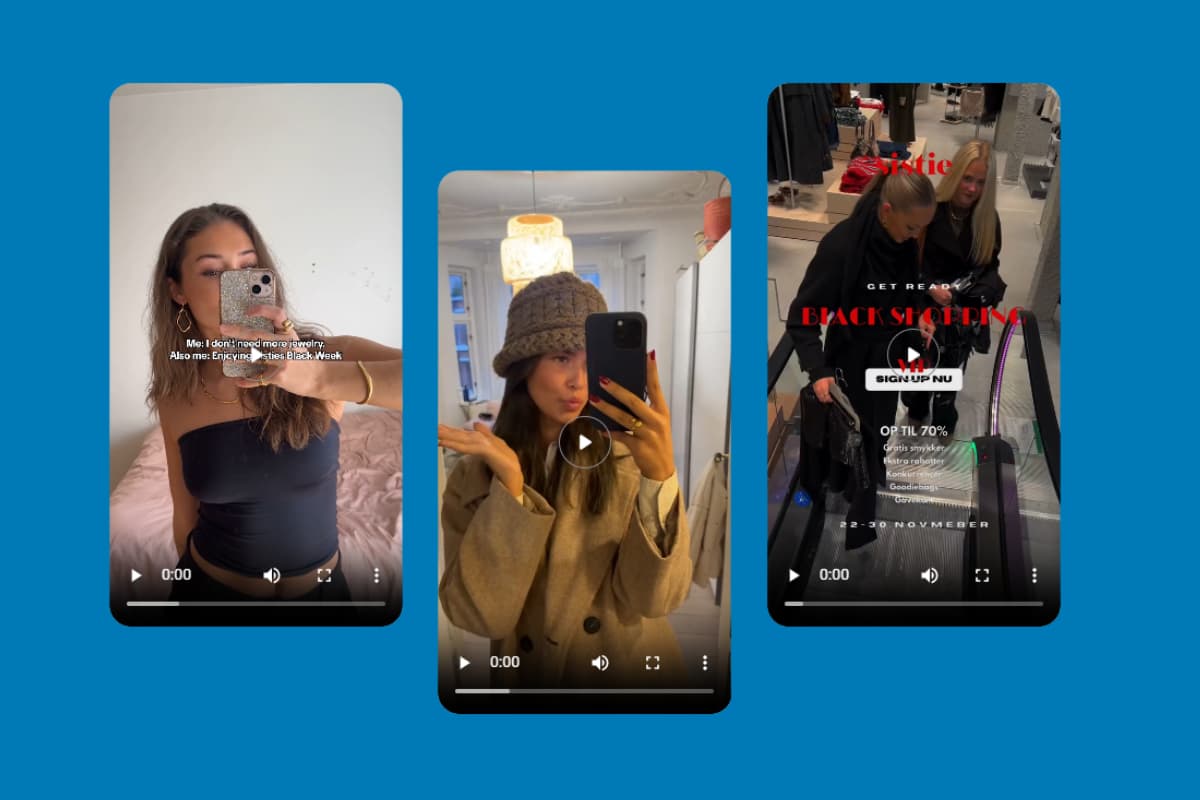
TikTok works well with user-style video because audiences expect vertical, direct, fast-moving content that feels native to the feed.
TikTok’s current guidelines recommend 9:16 vertical video, an early main message and captions, as well as featuring customers, employees or creators. The platform also recommends a less polished, DIY style when it suits the message and audience.
What Do TikTok Users Expect?
TikTok users expect ads that get to the point quickly, clearly demonstrate the product and do not feel intrusive.
The most important elements of this type of ad are:
- a clear problem in the first few seconds
- a natural product demonstration
- a useful tip or comparison
- an entertaining element without forcing a trend
- a clear next step
Mini Case Study: How Visit Abu Dhabi Used Existing UGC
Rather than creating entirely new ad creative, Visit Abu Dhabi found user content that was already attracting an audience. Through TikTok Content Suite, the brand used the content in paid promotion with the creator’s approval.
Key takeaway: Successful organic content can be adapted for ads without losing the spontaneity and clarity of the original video.

Meta Ads allows for a more structured presentation of product benefits, while TikTok is better suited to short vertical video designed around the pace of the user feed.
Planning to use UGC videos in TikTok campaigns? See the guide to TikTok advertising for available ad options and practical steps to take before launching a campaign.
How Does GoPro Use UGC to Build Community?
User-generated content in GoPro’s strategy both showcases what the product can do and encourages community participation.
The GoPro Awards program invites users to submit photos, raw footage and edited videos shot on GoPro cameras. Selected creators may be featured, receive gear or win a cash prize.
What Can Companies Learn from GoPro’s UGC Strategy?
A brand needs to give people a clear reason to participate: visibility, recognition, a reward or a sense of belonging. For a sports brand like Nike, relevant UGC should show not only the product, but how it is actually used during training.
How Does Airbnb Use Guest Content to Build Trust?
Airbnb shows how guest photos and real experiences can make a stay feel more tangible to prospective guests and make booking decisions easier.
The Made Possible by Hosts campaign used user-generated photos taken during real trips and stays in Airbnb hosts’ homes. This is a form of solicited UGC, since Airbnb invited selected participants to create and submit content for the campaign.
What Can Companies Learn from Airbnb’s Campaign?
Specific moments from a stay communicate the value of accommodation more convincingly than generic promotional claims. The content should show what the guest actually experienced, rather than stopping at broad praise.
How Does Coca-Cola Involve Consumers in UGC Campaigns?
The Share a Coke campaign turned the audience into active participants through personalization, sharing and content creation.
In the relaunched 2025 campaign, QR codes on the packaging led to a digital hub where users could personalize packs and create videos using their own content and memes.
The lesson is not to copy a big budget, but to create a simple mechanism that encourages the audience to participate.
What Do Successful UGC Campaigns Have in Common?
Successful UGC campaigns combine relevant content, a simple creative idea and a clearly defined business objective.
What Should You Define Before Launching a UGC Campaign?
Before launching a campaign, define:
- a simple task for users
- a relevant target audience
- a reason to share
- how the product should be shown
- the desired emotional response
Brands can adapt this content for Meta Ads and TikTok Ads campaigns based on the objective, audience and stage of the customer journey.
Explore how KG Media connects creative formats, target audiences and performance marketing when planning digital campaigns.
How Can Companies Start Using UGC?
Companies can start using UGC marketing by putting a clear process in place for collecting, approving and organizing user-generated content.
How Can You Collect Your First Pieces of UGC?
To get started, companies can collect reviews, video testimonials and photos from customers and begin working with UGC creators. Before publishing, define the channels, usage period and usage rights.
A systematic approach turns one-off customer contributions into a sustainable source of ad creative.
When Should You Choose a UGC Ad, and When Is UGC Not Enough on Its Own?
A UGC ad is a good choice when you need to communicate the customer experience or demonstrate a product benefit, but it is not enough without a clear offer, a strong landing page, measurement and creative testing.
Video cannot make up for an unclear value proposition or poorly set up Meta Ads and TikTok Ads campaigns. These ads can contribute to conversions when they answer customer questions and guide people toward a clear next step.
Conclusion
UGC brings an offer closer to the audience through the perspective of someone who already uses it. GoPro demonstrates the value of an active community, Airbnb the power of a documentary-style approach, and Coca-Cola the potential of a simple idea that encourages participation.
Companies do not need to copy large campaigns. They need to adapt the underlying principles to their own customers and available resources.
The value of a UGC ad is not determined by views alone, but also by the quality of audience response and its contribution to campaign performance.
Want to explore whether this format could work in your digital campaigns? Talk to the KG Media team about the options for your brand.
FAQ
What Does UGC (User-Generated Content) Mean?
UGC (User-Generated Content) is content created by users, customers or brand followers, such as reviews, photos and videos.
How Do You Use UGC in Advertising?
UGC is used as ad creative for reviews, product demonstrations, unboxings and customer experiences in Meta Ads and TikTok Ads campaigns.
Why Do UGC Ads Perform Better in Some Campaigns?
UGC ads can perform better when they convincingly show the target audience a product’s real-world benefit.
What Are Some Well-Known Examples of UGC Campaigns?
GoPro Awards and Coca-Cola’s Share a Coke are well-known examples of campaigns that encourage users to create and share content.
How Can UGC Increase Conversions?
UGC can contribute to conversions by addressing doubts, showing the product in use and guiding people toward a clear next step.
What’s the Difference Between UGC and Influencer Content?
UGC is created by users or creators for a brand, while influencer content leverages the reach and audience of a specific person.
Which UGC Formats Work Best for Meta Ads and TikTok Ads Campaigns?
For Meta Ads, brands often test reviews, demonstrations and before-and-after formats, while TikTok is better suited to short vertical videos with a natural tone.